Creativity as a path to mental health recovery and sexual exploration
Making things — writing, drawing, moving, building — uses the same parts of us that desire, intimacy, and recovery rely on. The overlap matters more than we realise.
There's a quiet thread running between mental health recovery and sexual exploration that doesn't get named often enough: both ask you to be a creative participant in your own life, rather than a passive recipient of it. And the practice that builds that capacity most reliably — outside of therapy itself — is creativity.
Why creativity matters for mental health
When we're depressed, anxious, or recovering from trauma, the world tends to shrink. Choices feel binary. Time collapses into 'getting through the day.' Creativity, even in tiny doses — a sketch, a sentence, a slow meal cooked with care — quietly reverses that contraction. It returns a sense of agency: I made this. I chose this. It exists because I existed today.
Neurologically, creative engagement activates reward, integration, and self-referential networks that depression and PTSD tend to dampen. You don't have to be 'good' at it. The benefit is in the doing, not the producing.
The same muscle, used in the bedroom
Sexual exploration — figuring out what you actually like, what turns you on, what kind of intimacy fits the person you are now — is a creative act. It requires curiosity, willingness to try things, tolerance for the awkward middle, and a sense that you're allowed to author your own experience. People who can't access creative play in the rest of their life often find sex stuck in the same template year after year, not because they're not interested, but because the muscle isn't being used anywhere.
Practical ways to bring creativity in
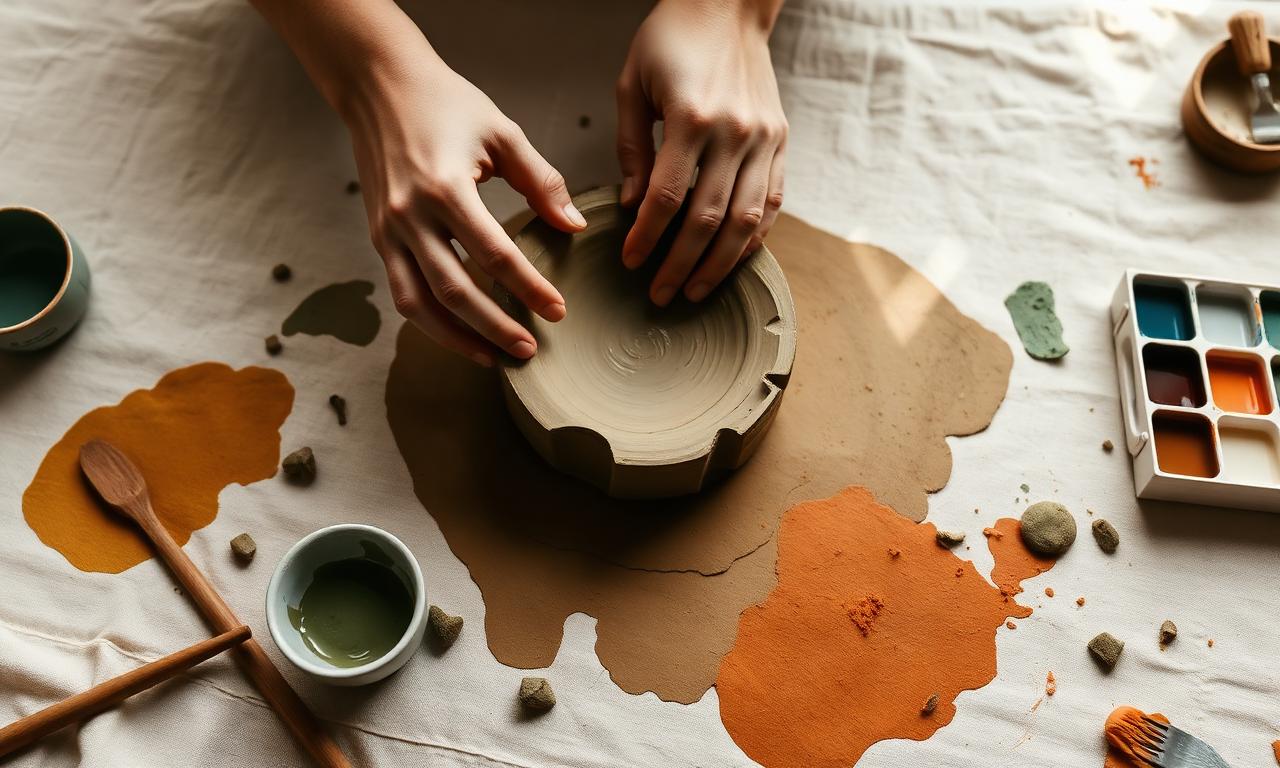
- Pick something that involves your hands and no screen — pottery, gardening, cooking from scratch, drawing badly. Hands first, brain follows.
- Make something with no audience and no purpose. The point is the making, not the result.
- Write a few lines a day about what you noticed, what you wanted, what surprised you. Desire that is never named tends to atrophy.
- Move. Dance, swim, walk somewhere new. The body's creativity comes back online when it's allowed to play.
Bringing it into intimacy
If you've been doing the same things in bed for a long time, the doorway in is rarely 'try something dramatic.' It's the same doorway as any other creative practice: small, low-stakes experiments. A different time of day. A new kind of touch. Five minutes of slow attention with no goal. Reading something that interests you and saying out loud, 'I'm curious about this.' Curiosity is the creative gesture. The rest follows.
Why it supports recovery
Recovery — from addiction, from trauma, from depression, from a long stretch of just-getting-by — needs more than the absence of suffering. It needs something to grow toward. Creativity offers that direction without demanding a destination. It says: there is more in you, and the way to find it is to start making, gently, and see what comes up. The same is true of sexuality. Both reward the willingness to begin.
Want to talk through any of this?
A free 15-minute call is the easiest way to see if working together feels right.